
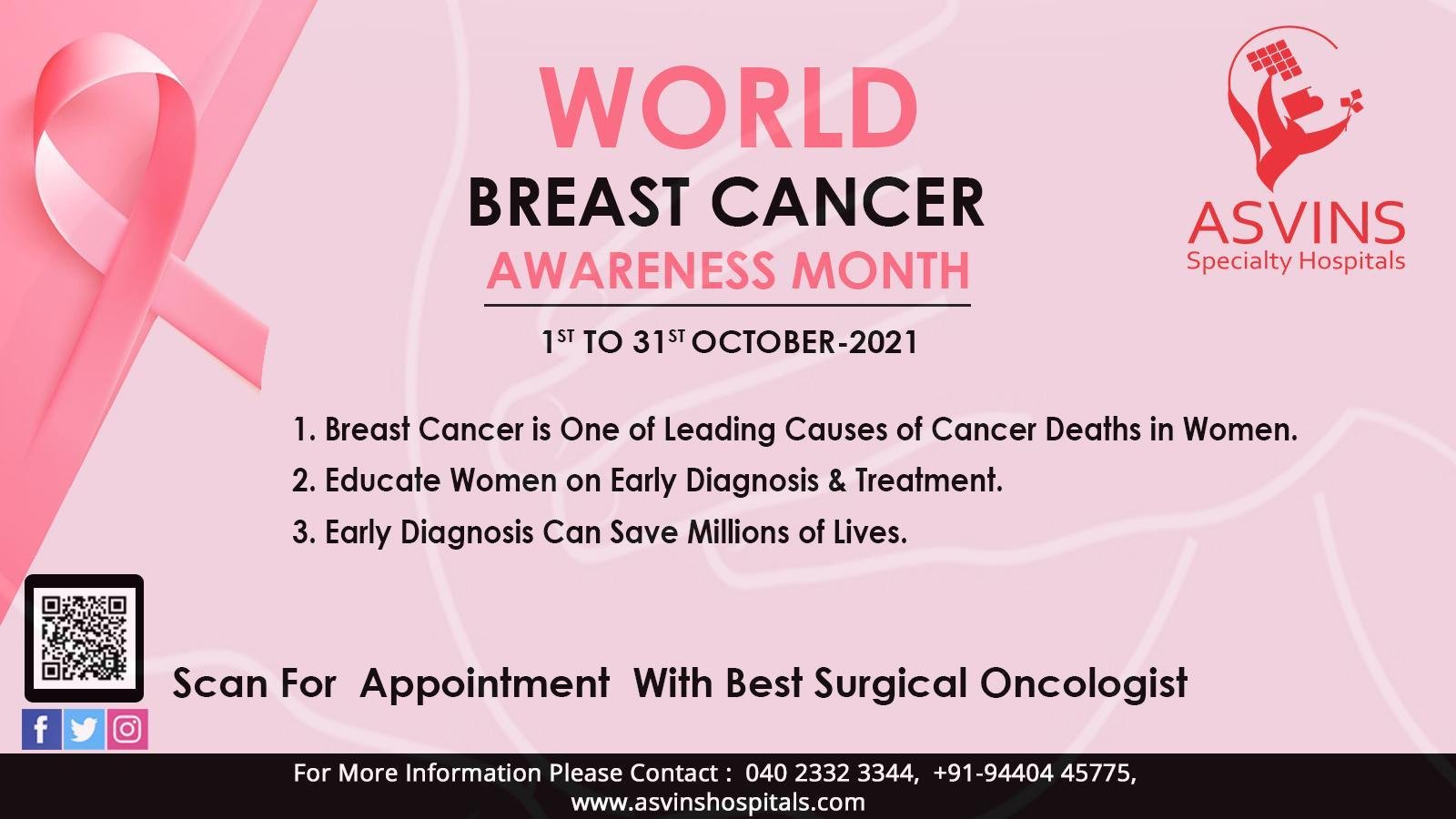
The most common cancer amongst women. Almost 1 in 8 women are affected in the world.
Breast cancer is the most common cancer affecting women globally, with nearly 1 in 8 women being diagnosed at some point in their lifetime. It has become a major public health concern due to its increasing incidence and associated mortality rates. Over the years, the number of breast cancer cases has been steadily rising, not only in developed countries but also in developing regions. This increase is attributed to a combination of lifestyle changes, environmental factors, and improved detection methods.
Breast cancer occurs when abnormal cells in the breast grow uncontrollably, forming a tumor. These tumors can be benign (non-cancerous) or malignant (cancerous). Malignant tumors have the potential to spread to other parts of the body, making early detection and treatment crucial. Although breast cancer can occur in men, it is far more common in women.
The highest occurrence of breast cancer is seen in women between the ages of 40 and 50. However, it is important to note that the disease can affect women of all age groups, including younger and older individuals. This makes awareness and regular screening essential for early diagnosis. Women should be vigilant about any changes in their breasts, such as lumps, changes in shape or size, skin changes, or unusual discharge, and seek medical attention promptly.
Risk Factors:
Protective:
Breastfeeding is considered one of the important protective factors against breast cancer. Women who breastfeed for longer durations may have a reduced risk of developing the disease. Breastfeeding helps regulate hormones and may delay the return of menstrual cycles, which can lower exposure to certain hormones linked to breast cancer.
Physical activity is another key protective factor. Regular exercise helps maintain a healthy body weight, improves immune function, and regulates hormone levels. Women who engage in consistent physical activity have a lower risk of developing breast cancer compared to those with a sedentary lifestyle.
Harmful:
An urban lifestyle is associated with an increased risk of breast cancer. Factors such as reduced physical activity, dietary habits, stress, and environmental exposures contribute to this risk. Rapid urbanization has led to lifestyle changes that may negatively impact overall health.
Higher body mass index (BMI) or obesity is a significant risk factor, especially in postmenopausal women. Excess body fat can lead to increased levels of estrogen, a hormone that can promote the growth of certain types of breast cancer. Maintaining a healthy weight is therefore crucial in reducing risk.
Alcohol consumption has been linked to an increased risk of breast cancer. Even moderate alcohol intake can raise hormone levels and affect the body’s ability to repair DNA damage, increasing the likelihood of cancer development.
Smoking is another harmful factor that contributes to the risk of breast cancer. Tobacco contains harmful chemicals that can damage cells and lead to cancer. Smoking also weakens the immune system, making it harder for the body to fight off abnormal cell growth.
Although multiple treatment options are available for breast cancer, including surgery, chemotherapy, radiation therapy, hormone therapy, and targeted therapy, the best outcomes are achieved when the disease is detected at an early stage. Early-stage breast cancer is more likely to be treated successfully, with higher survival rates and fewer complications.
Screening plays a vital role in early detection. Regular mammograms, clinical breast examinations, and self-examinations can help identify abnormalities before symptoms become noticeable. Early detection allows for timely intervention, which can significantly improve treatment outcomes and reduce mortality rates.
Education and awareness are the cornerstones of effective breast cancer management. Women should be informed about the importance of regular screenings, recognizing early signs and symptoms, and adopting a healthy lifestyle. Public health initiatives and awareness campaigns play a crucial role in encouraging women to take proactive steps toward their health.
In addition to medical treatment, emotional and psychological support is essential for individuals diagnosed with breast cancer. The journey can be challenging, and support from healthcare providers, family, and support groups can make a significant difference in coping with the disease.
Advancements in medical research and technology continue to improve the diagnosis and treatment of breast cancer. Personalized medicine, which tailors treatment based on the genetic and molecular characteristics of the tumor, is becoming increasingly important. These advancements offer hope for better outcomes and improved quality of life for patients.
In conclusion, breast cancer remains a major health concern affecting millions of women worldwide. While the incidence of the disease is increasing, early detection, awareness, and preventive measures can significantly reduce its impact. By understanding risk factors, adopting healthy habits, and participating in regular screenings, women can take control of their health and improve their chances of early diagnosis and successful treatment.
