Prostate Cancer Treatment
Home » Treatments » Prostate Cancer Treatment


What is Prostate Cancer ?
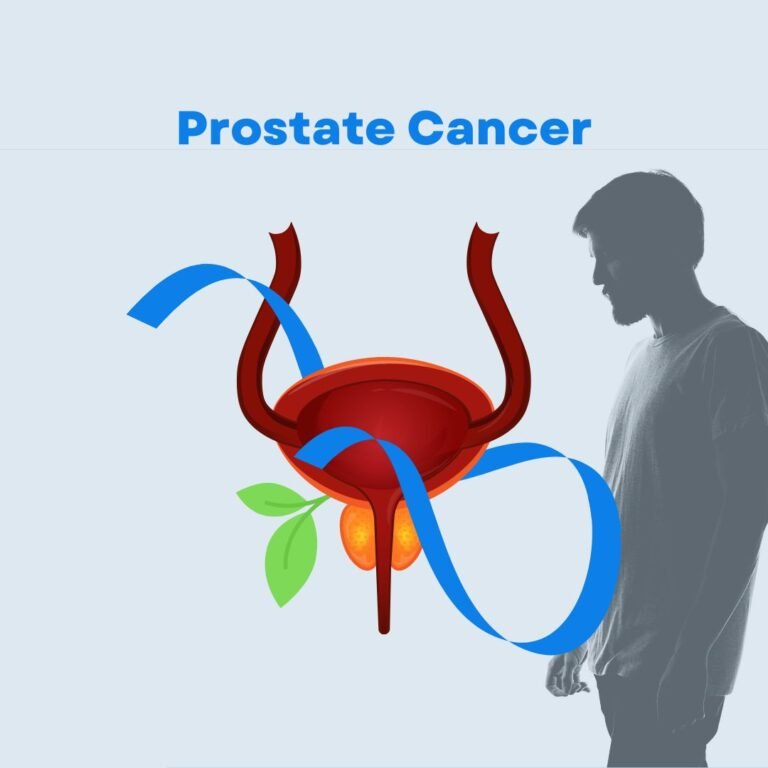
Prostate cancer is a type of cancer that originates in the prostate gland, a part of the male reproductive system. It involves the abnormal growth of cells within the prostate, which can form tumors and potentially spread to other parts of the body. As one of the most common cancers in men, it typically grows slowly and might not cause noticeable symptoms in its early stages. However, it can lead to urinary difficulties, pain, and other complications as it progresses. Diagnosis involves various tests such as PSA blood tests and biopsies. Treatment options range from surgery and radiation to hormone therapy and chemotherapy, depending on the cancer’s stage and characteristics.
How Prostate Cancer causes?
Prostate cancer develops when cells in the prostate gland, a walnut-sized organ in the male reproductive system, begin to grow uncontrollably. The exact cause is not fully understood, but risk factors include age, family history, and genetic mutations. Hormones like testosterone also play a role in fueling cancer growth. Early stages often show no symptoms, making regular screenings important. If detected early, treatment options include surgery, radiation, hormone therapy, and chemotherapy. Awareness and timely medical intervention are crucial in managing prostate cancer effectively.
Symptoms of Prostate Cancer :
Prostate cancer symptoms can vary and may not appear in the early stages. Common signs include changes in urination patterns, such as frequent urges, weak flow, or difficulty starting/stopping. Blood in urine or semen, discomfort in the pelvic area, and erectile dysfunction can also occur. Advanced cases might cause bone pain or unexplained weight loss. However, these symptoms can also be due to non-cancerous conditions. Consulting a healthcare professional for proper evaluation, especially if there’s a family history of prostate cancer or if you’re above 50, is crucial in determining the cause and receiving appropriate medical guidance.
Risk Factors for Prostate Cancer :
Prostate cancer risk factors include age, with incidence rising after 50. Family history, especially if a close relative had it, increases risk. Certain gene mutations, like BRCA1 and BRCA2, can also play a role. Ethnicity matters, with African-American men at higher risk. A high-fat diet and obesity might contribute, as can exposure to certain chemicals. Testosterone and other hormones influence growth. Regular screenings are recommended, especially for those with risk factors, to catch the disease early. Nonetheless, the complex interplay of genetics, lifestyle, and hormonal factors makes the precise cause of prostate cancer multifaceted and not fully understood.
How is Prostate Cancer detected?
Prostate cancer is detected through various methods. The Prostate-Specific Antigen (PSA) blood test measures PSA levels, often elevated in prostate issues. Digital rectal exams involve a doctor assessing the prostate’s size and texture through the rectum. If abnormalities are detected, further diagnostic tests like biopsies are performed to confirm cancer. Imaging techniques like MRI, CT scans, and bone scans help determine the cancer’s extent. Early detection is crucial, as symptoms might not appear until later stages. Regular screenings, especially for those at higher risk, aid in catching prostate cancer early when treatment outcomes are generally more favorable.
What are the stages of Prostate Cancer ?
Prostate cancer staging helps determine the extent of the disease’s spread, guiding treatment decisions. The common system used is the TNM system. “T” refers to the primary tumor’s size and extent; “N” indicates whether nearby lymph nodes are affected; “M” indicates whether the cancer has metastasized to other parts of the body.
Stages range from I to IV:
Stage I: Cancer is confined to the prostate and usually small.
Stage II: Tumor is larger but still within the prostate.
Stage III: Cancer has spread near the prostate to nearby tissues.
Stage IV: Cancer has spread to distant lymph nodes, bones, or other organs.
These stages help doctors plan appropriate treatments. Early stages (I and II) often have better prognoses, while later stages (III and IV) might require more aggressive therapies, like surgery, radiation, hormone therapy, or chemotherapy, to manage the disease and its potential spread.
What are the Treatments for Prostate Cancer ?
Prostate cancer treatments vary based on the cancer’s stage, aggressiveness, and patient health. For localized cases, options include active surveillance (monitoring without immediate treatment), surgery to remove the prostate (prostatectomy), or radiation therapy. Hormone therapy reduces testosterone levels, slowing cancer growth. Advanced cases might require chemotherapy, targeting rapidly dividing cells. Targeted therapies focus on specific molecular characteristics. Immunotherapy boosts the immune system’s response against cancer cells. Palliative care aims to enhance the quality of life by managing symptoms and discomfort. Treatment decisions involve a multidisciplinary approach, considering the patient’s age, overall health, and personal preferences, to optimize outcomes and minimize side effects.
What is the Cost Of Prostate treatment ?
The cost of prostate cancer treatment varies widely based on factors like the stage of cancer, treatment type, healthcare provider, location, and insurance coverage. In the United States, treatment costs can range from thousands to tens of thousands of dollars. Costs include consultations, tests, surgeries, radiation, medications, and follow-up care. Insurance, including Medicare and Medicaid, often covers a portion of expenses. Non-profit organizations and patient assistance programs may provide financial aid. It’s crucial to consult with healthcare providers, insurance representatives, and financial counselors to understand potential costs and available support options tailored to individual circumstances.
How to prevent or get rid of Prostate Cancer?
While there’s no guaranteed way to prevent prostate cancer, certain lifestyle choices can reduce the risk. Maintain a balanced diet rich in fruits, vegetables, and whole grains while minimizing red meat and high-fat foods. Regular physical exercises and maintaining a healthy weight can also help. Avoid smoking and limit alcohol consumption. Consider incorporating foods with antioxidants and omega-3 fatty acids. Regular screenings are crucial for early detection. If diagnosed, treatment options like surgery, radiation, and hormone therapy can effectively manage the cancer. Consult a healthcare professional for personalized guidance on prevention, early detection, and appropriate treatment strategies.


Why you
should not delay Prostate Cancer treatment
Delaying prostate cancer
treatment can lead to its progression, potentially making it more challenging
to manage. Early-stage prostate cancer often shows no symptoms, so delaying
treatment might allow the cancer to spread to surrounding tissues or even
distant organs before symptoms arise. Advanced stages can necessitate more
aggressive treatments with increased side effects and reduced effectiveness.
Timely treatment increases the chances of successful outcomes, improves quality
of life, and might provide a wider range of treatment options. Regular
screenings, especially for those at risk, help detect prostate cancer early,
allowing for more effective interventions and better long-term prognosis.
Benefits
of Prostate Cancer treatment
Prostate cancer treatment
offers several benefits. Timely intervention can prevent cancer from advancing,
improving long-term outcomes. Treatment can reduce or eliminate cancer
symptoms, enhancing quality of life. For localized cases, surgical removal or
radiation therapy can eradicate the tumor. Hormone therapy lowers testosterone
levels, slowing cancer growth. Advanced treatments, like chemotherapy and
targeted therapies, can extend survival and manage metastatic disease.
Additionally, emerging therapies such as immunotherapy show promise. Treatment
decisions are personalized, considering factors like cancer stage, health
status, and patient preferences. Multidisciplinary care aims to maximize
benefits while minimizing side effects, promoting overall well-being during and
after treatment.
Advantages
of Prostate Cancer Treatment
Prostate cancer treatment
offers several advantages for patients diagnosed with this condition. Early
detection and treatment are helpful successful outcomes. Treatment options
include surgery, chemotherapy, hormone therapy, radiation therapy, and targeted
therapies.
Advantages include
halting or slowing cancer progression, reducing tumor size, and alleviating
symptoms. Treatment can improve the patient’s quality of life by managing pain,
urinary difficulties, and other complications. Personalized approaches consider
factors like age, health status, and cancer stage.
Advancements in medical
technology have led to minimally invasive techniques, shorter recovery times,
and fewer side effects. Multidisciplinary care teams ensure comprehensive
evaluation and tailored treatment plans. Psychological support and counseling
are often part of the treatment, aiding emotional well-being. Regular
monitoring post-treatment helps detect potential recurrence. Overall, prostate
cancer treatment aims to extend life expectancy and enhance the patient’s
overall quality of life.
Why
choose Asvins speciality Hospital for Prostate Cancer?
Asvins Specialty Hospital
stands as an optimal choice for prostate cancer treatment due to its specialized
expertise, advanced technologies, and patient-centered approach. Renowned
oncologists and urologists provide personalized care, utilizing
state-of-the-art diagnostic and treatment techniques. The hospital offers a
comprehensive range of treatment options, including surgery, radiation, and
targeted therapies. Their multidisciplinary team ensures holistic care,
addressing not only medical needs but also psychological and emotional
well-being. With a focus on minimizing side effects and maximizing quality of
life, Asvins Specialty Hospital is dedicated to providing cutting-edge,
evidence-based prostate cancer care, making it a reliable destination for
patients seeking effective and compassionate treatment.
Frequently
Asked Questions (FAQ’s)
Typically, Most
insurances cover Prostate Cancer Treatment in At Asvins Cancer Specialty
Hospitals, Somajiguda, Hyderabad. For more details,call on +91 94404
45775
It usually take 30-45
days for recovery after the surgery . It is adviced not to make any engagements
upto 45 days after Surgery.
The cost of prostate
cancer treatment in At Asvins Cancer Specialty Hospitals, Somajiguda, Hyderabad,
India, can vary widely based on factors like the stage of cancer, treatment
approach, hospital choice, and patient’s health status. Generally, India offers
more affordable healthcare options compared to many Western countries.
Treatment costs might include consultations, diagnostic tests, surgeries,
radiation, medications, and follow-up care. Government and private hospitals
offer different pricing structures. However, exact figures can’t be provided
due to the variability in treatment plans and individual cases. Consulting with
healthcare providers and hospitals in At Asvins Cancer Specialty Hospitals,
Somajiguda, Hyderabad will provide more accurate cost estimates tailored to
specific circumstances.
The best treatment for
prostate cancer depends on various factors such as the cancer’s stage, grade,
patient’s health, and personal preferences. Treatment options include active
surveillance for low-risk cases, surgery (prostatectomy), radiation therapy (external
beam or brachytherapy), hormone therapy to lower testosterone levels, and newer
targeted therapies or immunotherapy for advanced cases. The multidisciplinary
approach involving oncologists, surgeons, and other specialists helps tailor
treatment plans. What’s “best” varies for each individual; discussing
options with healthcare professionals ensures informed decisions considering
potential benefits, risks, and quality of life implications.
Asvins Hospital is famend
for its excellence in imparting complete prostate most cancers treatment. With
a group of skilled oncologists and facilities, Asvins Hospital provide
personalised care tailor-made to every patient’s needs. multidisciplinary strategy
combines surgery, radiation therapy, and chemotherapy to make certain the great
outcomes. Asvins Hospital’s dedication to contemporary technology,
compassionate care, and affected person well-being makes it a relied on
preference for these searching for high-quality and complete prostate most
cancers treatment.
Prostate cancer has long been described as a predominantly Western health problem, but that framing no longer tells the full story. While …
Prostate Cancer Meaning in Gujarati Prostate cancer, known as “પ્રોસ્ટેટ કેન્સર” in Gujarati, is a significant health concern among men. This form …
“പ്രോസ്റ്റേറ്റ് ക്യാൻസർ: അറിയേണ്ടത്” പ്രോസ്റ്റേറ്റ് ക്യാൻസർ പുരുഷന്മാരുടെ പ്രോസ്റ്റേറ്റ് ഗ്രന്ഥിയിൽ വളർത്തപ്പെടുന്ന ഒരു രോഗമാണ്. ഈ രോഗം അതിസാമാന്യമായ വളർച്ചയെന്നാൽ, അതിന്റെ ഉള്ളടക്കത്തിൽ നിന്നും വളർച്ചയുടെ പരിധിയിൽ അല്ലെങ്കിൽ അതിന്റെ …
“प्रोस्टेट कॅन्सर: अर्थ आणि माहिती” प्रोस्टेट कॅन्सर, पुरुषांच्या आरोग्यावर प्रभाव डाळणारा एक महत्त्वाचा आणि सामान्य आजार आहे. हे आजार पुरुषांच्या प्रोस्टेट ग्रंथिमध्ये …
प्रोस्टेट कैंसर पुरुषों के बीच में एक आम और संक्रामक रूप में पाया जाने वाला कैंसर है। यह रोग पुरुषों की प्रोस्टेट …
“ಪ್ರೋಸ್ಟೇಟ್ ಕ್ಯಾನ್ಸರ್: ಅರ್ಥ ಮತ್ತು ಗುರುತಿಸುತ್ತಿದೆಯೇನು” ಪ್ರೋಸ್ಟೇಟ್ ಕ್ಯಾನ್ಸರ್ ಪುರುಷರ ಆರೋಗ್ಯದಲ್ಲಿ ಹೆಚ್ಚಿನ ಪ್ರಭಾವ ಬೀರಬಹುದೆಂಬ ಪ್ರಮುಖ ಆಕ್ರೋಶ. ಇದು ಪುರುಷರ ಪ್ರೋಸ್ಟೇಟ್ ಗ್ರಂಥಿಯಲ್ಲಿ ಅಭಿವಿಕಸಿಸುವ ಒಂದು ಮುಖ್ಯ ಹಾಗೂ …
“प्रोस्टेट कैंसर: एक महत्वपूर्ण रोग का वर्णन” प्रोस्टेट कैंसर पुरुषों के बीच एक महत्वपूर्ण स्वास्थ्य समस्या है, और इसकी समय पर पहचान …
Prostate cancer is a prevalent form of cancer among men, and the search for innovative treatments is ongoing. One promising avenue in …
“Prostate Cancer Real Images: Understanding the Visual Aspect” Prostate cancer is a complex and often challenging medical condition. While medical texts and …
“प्रोस्टेट कॅन्सर: एक महत्वाचा आरोग्य समस्या” प्रोस्टेट कॅन्सर हे पुरुषांमध्ये सामान्य असा एक रोग आहे, आणि इथे ज्याच्या प्रमाणात्मक आणि व्यक्तिगत काळजी …
“Nursing Management of Prostate Cancer: Compassionate and Comprehensive Care” Nursing management is a crucial component of prostate cancer care, emphasizing the vital …
Nursing plays a pivotal role in the care of individuals with prostate cancer. Nursing diagnosis is a crucial step in the healthcare …
Asvins Specialty Hospitals
Typically replies within minutes
Any questions related to your health?
🟢 Online | Privacy policy
WhatsApp us