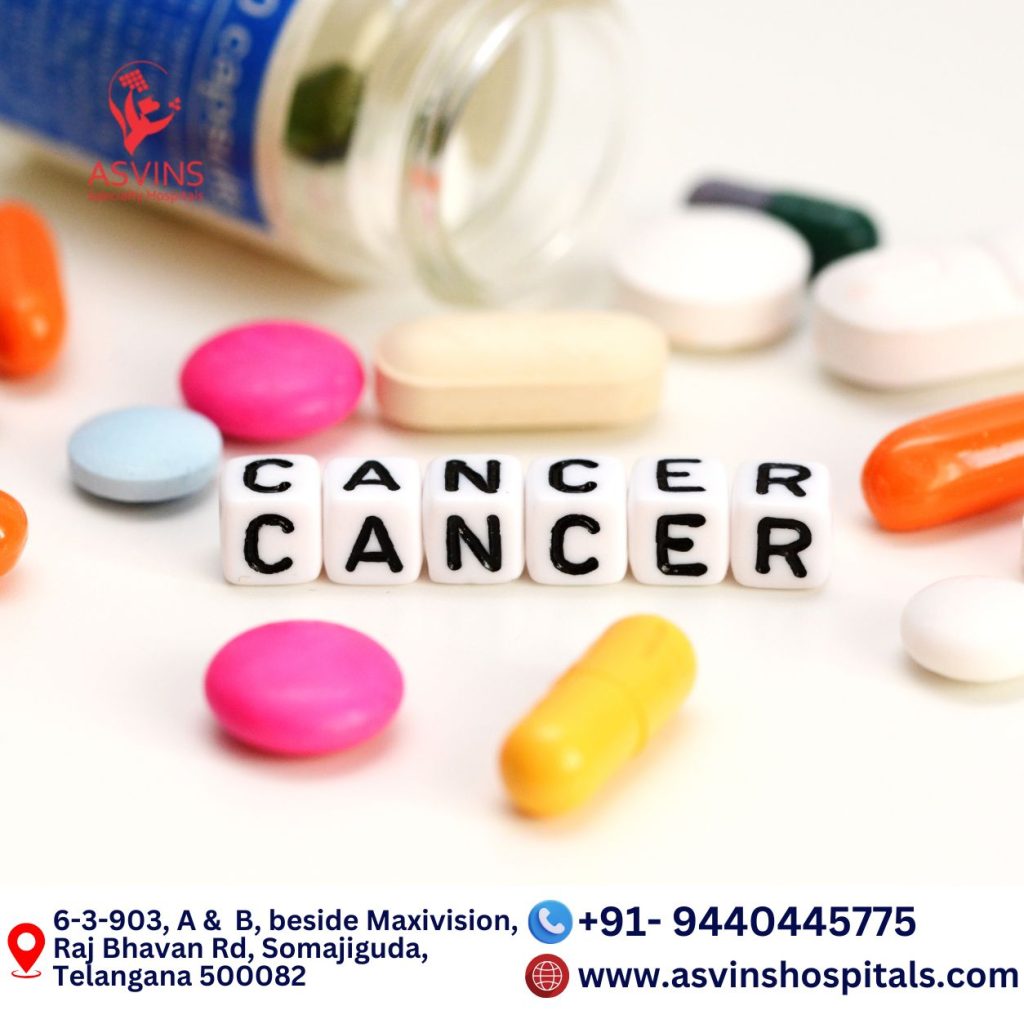
Cancer treatment drugs, also known as anticancer or chemotherapy drugs, play a vital role in combating cancer by targeting and destroying cancer cells or impeding their growth. These drugs are designed to disrupt the abnormal cellular processes characteristic of cancer cells while minimizing damage to healthy cells. There are several types of cancer treatment drugs, each with distinct mechanisms of action and applications:
Cytotoxic Drugs: These drugs work by directly damaging the DNA or interfering with the cell division process, leading to the death of rapidly dividing cancer cells. Examples include alkylating agents, antimetabolites, and plant alkaloids.
Targeted Therapy: Targeted drugs selectively target specific molecules or pathways involved in cancer growth and progression. They aim to block the signals that promote cancer cell growth and survival. Examples include monoclonal antibodies, tyrosine kinase inhibitors, and hormone therapies.
Immunotherapy: Immunotherapy drugs harness the body’s immune system to recognize and destroy cancer cells. They enhance the immune response against cancer by stimulating the immune system or removing the barriers that prevent immune cells from recognizing cancer cells.
Hormonal Therapy: Hormonal drugs interfere with the hormones that promote the growth of certain types of cancers, such as breast and prostate cancers. They work by blocking hormone receptors on cancer cells or reducing hormone production in the body.
Angiogenesis Inhibitors: These drugs target the process of angiogenesis, which is the formation of new blood vessels that supply oxygen and nutrients to tumors. By inhibiting angiogenesis, these drugs deprive tumors of their blood supply, hindering their growth and spread.
Each type of cancer treatment drug has its indications, side effects, and efficacy, and their use is often tailored to the specific type and stage of cancer, as well as individual patient factors. Combination therapies involving multiple drugs or modalities are frequently employed to optimize treatment outcomes and minimize resistance. Ongoing research and development in the field of cancer treatment drugs continue to expand the arsenal of available therapies and improve outcomes for cancer patients.
