
Introduction: Understanding How Breast Cancer Affects Body and Mental Health
Breast cancer is more than a physical illness—it is a life-altering experience that deeply impacts both the body and the mind. Understanding How Breast Cancer affects body and mental health is essential for patients, caregivers, and loved ones who want to provide effective support. For breast cancer sufferers, the journey involves medical treatments, emotional ups and downs, lifestyle adjustments, and long-term recovery challenges.
This article explores the physical effects of breast cancer on the body, the psychological and emotional toll it can take, and practical strategies to manage both. Written in clear, compassionate English, this guide is designed especially for breast cancer sufferers seeking reassurance, knowledge, and hope.
What Is Breast Cancer and Why Its Impact Is So Widespread
Breast cancer develops when abnormal cells grow uncontrollably in breast tissue. While medical treatment focuses on stopping or removing these cells, the effects go far beyond the breast area. Because treatments affect the immune system, hormones, energy levels, and emotional balance, the disease can influence nearly every part of daily life.
Understanding How Breast Cancer affects body and mental health begins with recognizing that the illness is both physical and emotional. From diagnosis through recovery, breast cancer sufferers face challenges that require holistic care—not just medical treatment.
How Breast Cancer Affects the Body

Physical Symptoms of Breast Cancer
Breast cancer itself can cause noticeable physical symptoms, including:
- Lumps or thickening in the breast or underarm
- Changes in breast shape or size
- Skin dimpling or redness
- Nipple discharge or pain
- Fatigue and unexplained weight changes
These symptoms can create fear and discomfort, often affecting sleep, appetite, and overall physical well-being.
Effects of Surgery on the Body
Surgery is a common treatment for breast cancer and may include lumpectomy or mastectomy. While surgery aims to remove cancer, it can also cause:
- Pain and swelling
- Reduced arm or shoulder mobility
- Scarring and numbness
- Risk of infection or lymphedema (swelling due to lymph node removal)
For many breast cancer sufferers, these physical changes require physical therapy and long-term adjustments.
Impact of Chemotherapy
Chemotherapy uses strong drugs to destroy cancer cells but also affects healthy cells. Common side effects include:
- Hair loss
- Nausea and vomiting
- Fatigue and weakness
- Lowered immunity
- Changes in taste and appetite
These effects can be physically exhausting and emotionally distressing, reinforcing the connection between How Breast Cancer affects body and mental health.
Radiation Therapy and Physical Changes
Radiation therapy can cause:
- Skin irritation or burns
- Breast swelling or firmness
- Fatigue that lasts weeks or months
- Increased sensitivity in the treated area
Although many side effects improve over time, some survivors experience long-term discomfort.
Hormonal Therapy and Long-Term Side Effects
Hormonal treatments are often prescribed to prevent cancer recurrence. However, they may lead to:
- Hot flashes
- Joint pain
- Mood changes
- Weight gain
- Bone thinning
These ongoing physical changes can affect mobility, confidence, and emotional stability.
How Breast Cancer Affects Mental Health
Emotional Shock After Diagnosis
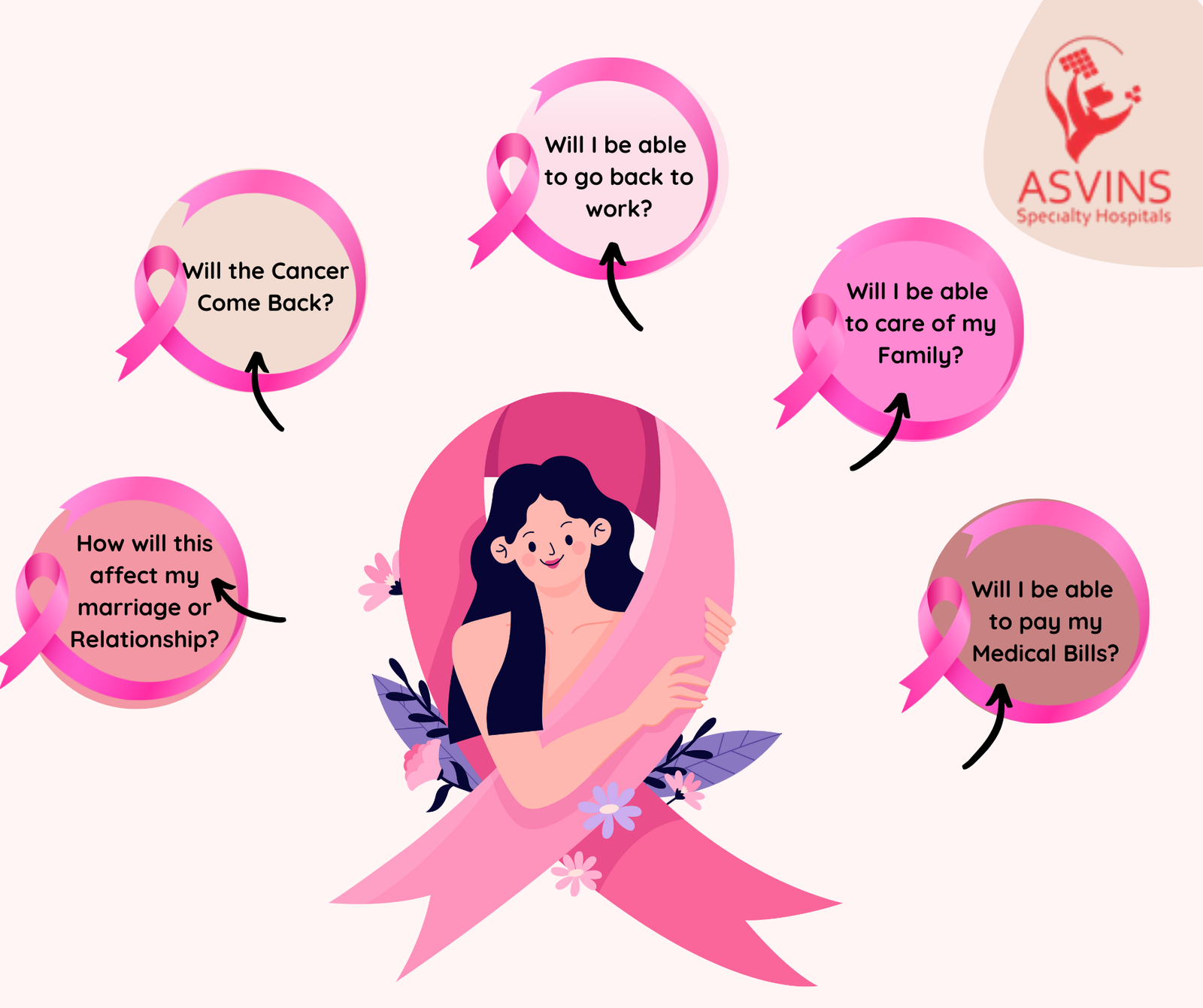
Receiving a breast cancer diagnosis can feel overwhelming. Many sufferers experience:
- Fear of death or recurrence
- Shock and disbelief
- Anger or sadness
- Loss of control
These emotions are natural responses but can become intense without proper support.
Anxiety, Depression, and Fear of Recurrence
Anxiety and depression are common among breast cancer sufferers. Concerns about treatment outcomes, body changes, and the future may cause:
- Persistent worry
- Panic attacks
- Low mood or hopelessness
- Sleep disturbances
Fear of cancer returning often continues even after treatment ends.
Changes in Self-Image and Body Confidence
Breast cancer can significantly affect body image, especially after surgery or hair loss. Many sufferers struggle with:
- Feeling less feminine
- Reduced self-esteem
- Difficulty accepting scars or physical changes
These feelings can impact relationships, intimacy, and overall mental health.
Cognitive Changes (“Chemo Brain”)
Some survivors experience memory and concentration issues, often called “chemo brain.” Symptoms include:
- Forgetfulness
- Trouble focusing
- Slower thinking
Although usually temporary, these cognitive changes can cause frustration and self-doubt.
Social and Relationship Challenges
Breast cancer may change how sufferers interact with others. Some common challenges include:
- Feeling isolated or misunderstood
- Strain on romantic relationships
- Difficulty communicating needs
- Changes in family roles
Social support plays a critical role in recovery, yet many sufferers hesitate to ask for help.
Long-Term Effects on Quality of Life
Even after treatment, breast cancer survivors may face lasting effects such as:
- Chronic fatigue
- Ongoing pain or stiffness
- Emotional vulnerability
- Fear during follow-up appointments
Understanding How Breast Cancer affects body and mental health helps survivors prepare for these long-term challenges and seek appropriate care.
Coping Strategies for Physical and Mental Well-Being
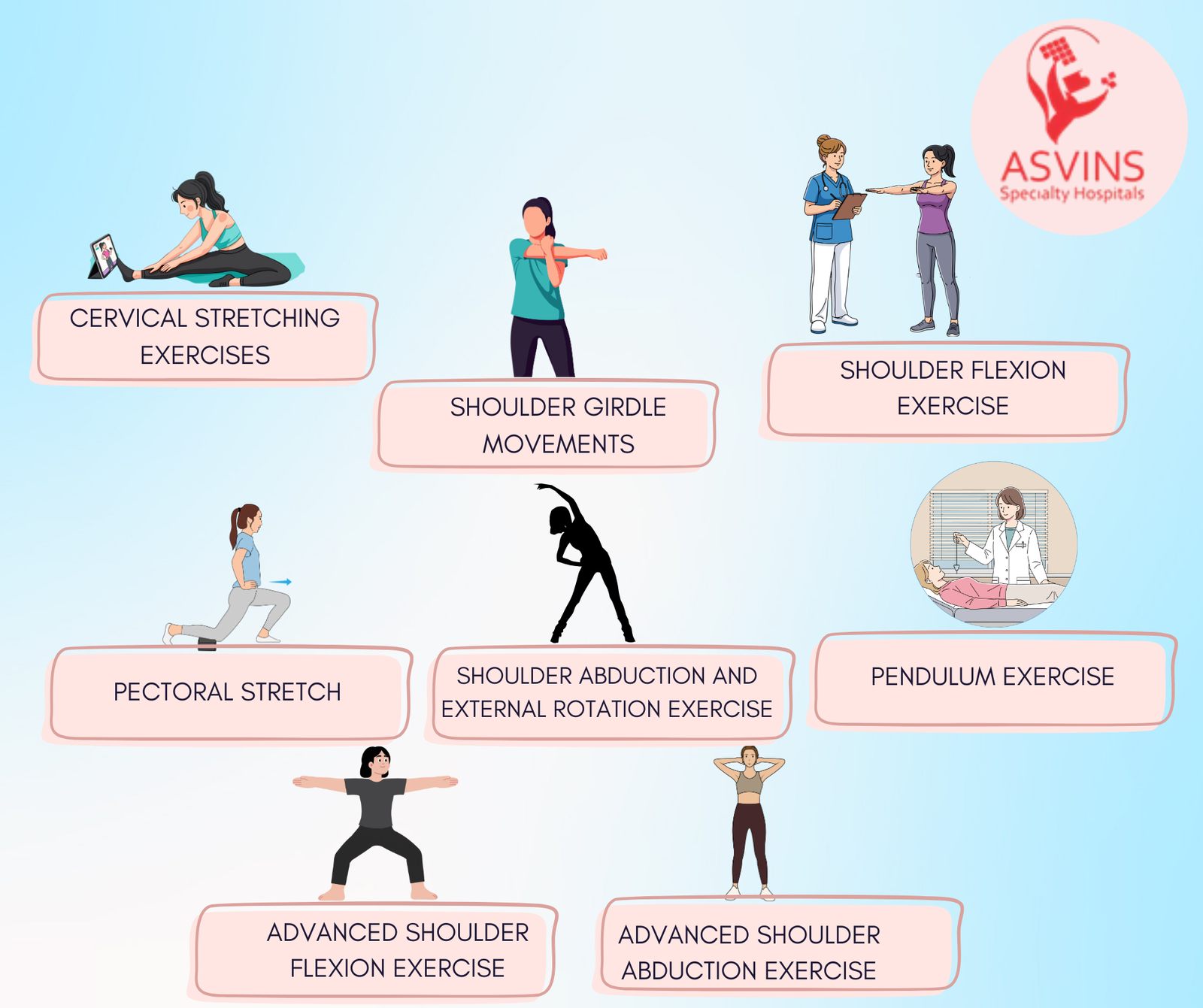
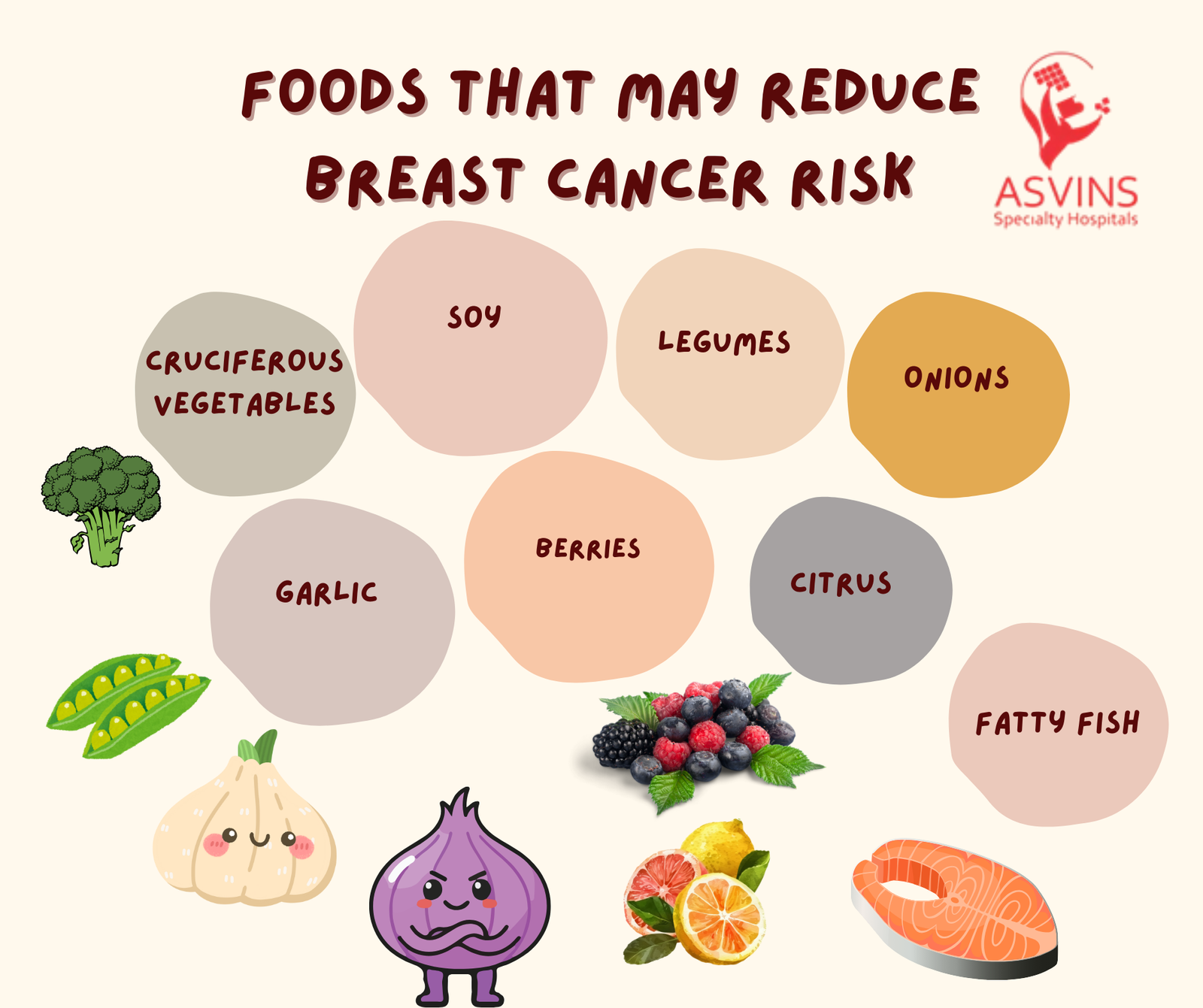
Effective coping strategies include:
- Physical activity: Gentle exercise improves strength and mood
- Balanced nutrition: Supports immune health and energy
- Mindfulness and meditation: Reduces stress and anxiety
- Counseling or therapy: Provides emotional support
- Support groups: Connects sufferers with shared experiences
Small lifestyle changes can make a meaningful difference in recovery.
Role of Support Systems and Professional Help
Support from healthcare providers, family, friends, and mental health professionals is essential. Oncology social workers, psychologists, and counselors help breast cancer sufferers manage emotional stress alongside physical treatment.
For reliable educational resources, you can visit organizations such as the American Cancer Society:
https://www.cancer.org
Frequently Asked Questions (FAQs)
- How Breast Cancer affects body and mental health differently for each person?
Every individual’s experience is unique, depending on cancer stage, treatment type, and personal support systems.
- Can mental health improve after breast cancer treatment?
Yes. With proper care, counseling, and support, many survivors experience emotional healing and growth.
- Is depression common among breast cancer sufferers?
Depression is common but treatable. Early intervention improves outcomes.
- How long do physical side effects usually last?
Some side effects fade within months, while others may persist long-term.
- Can lifestyle changes help mental recovery?
Absolutely. Exercise, nutrition, and stress management significantly improve mental well-being.
- Should breast cancer sufferers seek professional mental health support?
Yes. Professional help is strongly recommended for managing anxiety, depression, or trauma.
Conclusion: Healing the Body and Mind Together
Understanding How Breast Cancer affects body and mental health empowers survivors to take control of their healing journey. While the physical challenges are often visible, the emotional impact can be just as profound. By addressing both aspects with compassion, support, and professional care, breast cancer sufferers can move toward recovery with strength and hope.
Healing is not just about surviving—it’s about rebuilding life with confidence, resilience, and renewed purpose.
