
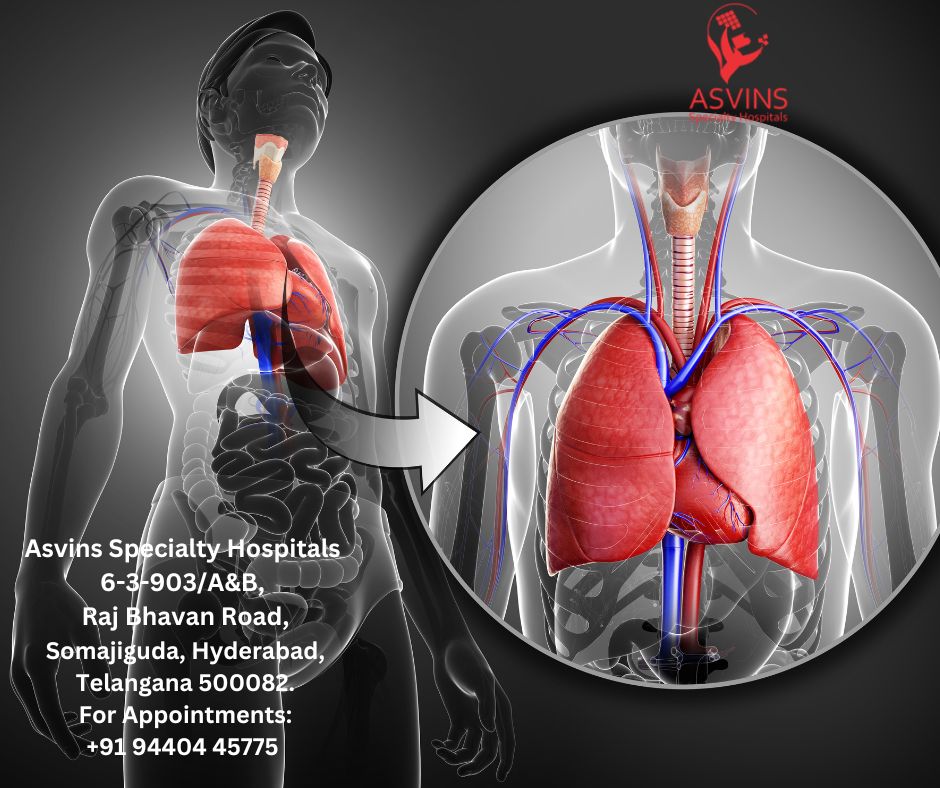
Lung cancer can cause various types of pain that impact patients physically and emotionally. Understanding these lung cancer pain areas is crucial for patients and caregivers to seek appropriate medical guidance and improve their quality of life during treatment and recovery.
Chest Pain: A Common Symptom
One of the most prevalent pain areas associated with lung cancer is chest pain. This discomfort can range from a dull ache to sharp, stabbing sensations. Chest pain often occurs due to the tumor’s pressure on the chest wall or involvement of nearby structures.
Back Pain: Metastasis Impact
Lung cancer can metastasize or spread to the spine, leading to back pain. Patients may experience persistent pain in the upper or lower back, which can be severe and affect mobility.
Shoulder Pain: Nerve Involvement
Lung cancer can sometimes press on nerves in the chest, causing referred pain in the shoulders. This pain may radiate down the arm and be mistaken for other conditions, such as heart issues.
Bone Pain: Metastatic Effects
When lung cancer metastasizes to the bones, it can lead to bone pain, especially in the hips, spine, and ribs. This pain may worsen with movement and can be debilitating.
Abdominal Pain: Organ Involvement
In advanced stages, lung cancer can spread to nearby organs like the liver, causing abdominal pain and discomfort. Patients may experience swelling and tenderness in the abdominal area.
Treatment-Related Pain
Some pain can be associated with lung cancer treatments, such as surgery, radiation therapy, or chemotherapy. Managing and addressing treatment-related pain is crucial to ensure patient comfort and adherence to the treatment plan.
Pain Management
Effective pain management is essential for patients with lung cancer. Healthcare professionals can provide various pain relief options, including medications, physical therapy, and complementary therapies like acupuncture and relaxation techniques.
In conclusion, lung cancer pain can manifest in various areas of the body, affecting a patient’s comfort and well-being. Timely communication with healthcare providers is vital to address these pain areas effectively and improve the overall quality of life during the lung cancer journey. Comprehending the sources of pain and exploring appropriate pain management strategies can make a significant difference in the patient’s experience and outlook.
